REGISTRATION IS CLOSED
For the best experience, please view the website on a laptop or desktop computer






Programme Highlights
A welcome reception on the first day, providing an opportunity to meet fellow participants and speakers.
Seven keynote lectures delivered by leading experts in the field.
A full-day excursion to innovative greenhouse companies.
A guided visit to the Greenhouse Horticulture Research Facility of Wageningen University & Research in Bleiswijk, concluding with complimentary food-truck snacks and drinks.
A conference gala dinner at a historic and atmospheric venue.
Student Presentation Awards for outstanding oral and poster contributions.
Closing drinks and a farewell borrel on the final day, offering a relaxed opportunity to network and celebrate the conclusion of the conference.
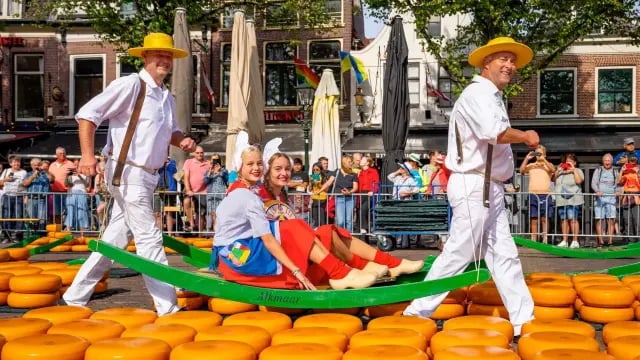
Do not forget to explore the Netherlands, visit our Tourist Attractions section for inspiration.

Conference Venue
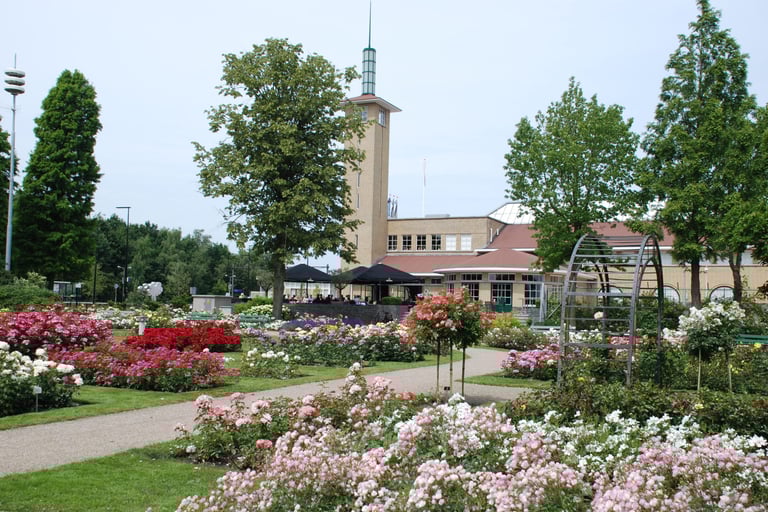
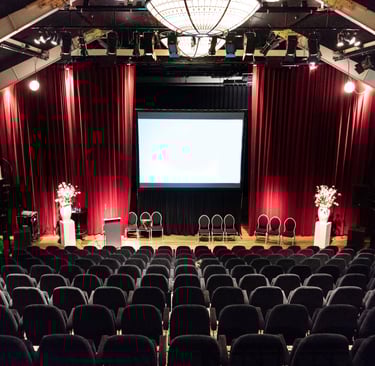
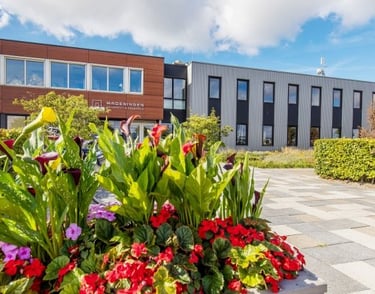
The conference will be hosted at Flora Boskoop, a modern and spacious venue designed to provide a comfortable and enjoyable experience for all participants. All scientific sessions will take place in the main auditorium. As the conference follows a single-track format, there are no parallel sessions, allowing every participant to attend the complete scientific programme without having to choose between simultaneous presentations.
For your convenience, a dedicated area is available to hang your coats upon arrival. In addition, small lockers are provided for securely storing valuable personal belongings such as laptops, passports, wallets, and other important items during the conference.
If you need to change clothes before the conference dinner, presentations, or social events, private changing rooms located behind the main stage will be available throughout the conference.
The venue offers spacious communal areas where participants can meet during coffee breaks, lunch, and networking sessions. These informal spaces provide an excellent setting to continue scientific discussions, establish new collaborations, and connect with colleagues from around the world in a relaxed atmosphere.
Flora Boskoop is fully equipped with modern audiovisual facilities, comfortable seating, accessible amenities, and high-speed wireless internet, ensuring a pleasant and productive conference experience for all attendees.

Day 1: 31 August 2026 (Monday)
8:00 to 9:00 - Arrival and Registration
The first hour of the conference provides an opportunity for participants to arrive, register, collect their conference materials, and familiarise themselves with the venue. Tea and coffee will be available.
9:00 to 9:30 - Opening Session
9:00 to 9:10 - Welcome address by the Convenor
Gerben Messelink, Convenor of the Working Group and former General Secretary of IOBC-WPRS (October 2013–October 2021), will deliver the official welcome address and formally open the scientific programme.
9:10 to 9:20 - Welcome address by the IOBC-WPRS Liaison Officer
Bruno Gobin, IOBC-WPRS Vice-President and Liaison Officer of the Working Group, will extend a warm welcome on behalf of the IOBC-WPRS.
9:20 to 9:30 - Welcome and the practical information from the Local Organizers
Ada Leman and Raghavendra Reddy Manda, on behalf of the local organizing team, will provide essential practical information to help participants navigate the conference smoothly. Their introduction will include important details about the venue, session logistics, and key announcements to ensure that all attendees are well prepared for the days ahead.
11:05 to 11:30 - Coffee Break
A short break to enjoy coffee, tea, and light refreshments.
9:30 to 11:05 - Session 1 - Innovative Biological Control and IPM Strategies for Emerging Thrips Challenges
Chair: Roselyne Labbe
9:30 to 9:35 - Opening remarks by the Chair
9:35 to 10:05 - Keynote 1 - Adapting IPM to chaning pest complexes in Canadian greenhouse ornamentals - Rose Buitenhuis
Vineland Research and Innovation Centre, Ontario, Canada
10:05 to 10:20 - Predatory thrips as biological control agents of exotic thrips in greenhouse ornamental crops - Juliette Pijnakker
Biobest Nederland B. V., De Lier, The Netherlands
10:20 to 10:35 - Thrips that play dirty: Evaluating biocontrol options for Hercinothrips - Angelos Mouratidis
Unidad de Protección Vegetal, Santa Cruz de Tenerife, Spain
10:35 to 10:50 - Improving the establishment of Orius laevigatus through optimized supplemental diets and multi-trait selected strains - Enric Vila
Agrobío S.L., Almeria, Spain
10:50 to 11:05 - Effectiveness of above- and below-ground predators in controlling the invasive Thrips parvispinus - Alexandra Sierra Monroy
University of Amsterdam, Amsterdam, The Netherlands
12:35 to 13:30 - Lunch Break
A break to enjoy lunch with colleagues in a relaxed setting.
11:30 to 12:35 - Session 2 - Ecological Drivers of Successful Biological Control: Complementarity, Competition, and Facilitation
Chair: Jesica Perez Rodriguez
11:30 to 11:35 - Opening remarks by the Chair
11:35 to 11:50 - Biological control of Nezara viridula in greenhouse horticulture: advances, challenges, and future prospects - Raghavendra Reddy
Manda
Wageningen University & Research, Bleiswijk, The Netherlands
11:50 to 12:05 - A meta-analysis on the role of functional complementarity and intraguild predation on biological control - Francisco Martínez Martínez
CIRAD-CBGP, Montpellier, France
12:05 to 12:20 - Assessing the intraguild predation potential of mirid species in Canadian greenhouses - Isabella L. Nardone
University of Windsor, Windsor, Canada
12:20 to 12:35 - Macrolophus pygmaeus as a key aphid control agent in sweet pepper: efficacy and intraguild interactions - Evelien Aussems
Horticultural Applied Research Centre for Vegetables and Strawberries, Innovation and Science, Antwerp, Belgium
15:20 to 15:45 - Coffee and Snacks
A short break with coffee, tea, and a selection of snacks, offering time to relax.
16:50 to 17:00 - Excursion Announcements
Final remarks and important announcements regarding the excursion.
13:30 to 15:20 - Session 3 - Innovations in Sustainable Pest Management for Greenhouse Tomato Production
Chair: Angelos Mouratidis
13:30 to 13:35 - Opening remarks by the Chair
13:35 to 14:05 - Keynote 2 - Combination of strategies for sustainable control of the invasive tomato leafminer Phthorimaea absoluta - Jana Collatz
Agroscope, Zürich, Switzerland
14:05 to 14:20 - Optimizing IPM strategies for Nesidiocoris tenuis in North America - Cara McCreary and Roselyne Labbe
Ontario Ministry of Agriculture, Food and Agribusiness, Ontario, Canada
14:20 to 14:35 - From lab promise to field complexity: an integrated approach for managing Nesidiocoris tenuis in greenhouse tomato - Rob Moerkens
Biobest Group N. V., Westerlo, Belgium
14:35 to 14:50 - A method for monitoring biocontrol success of whiteflies in green-house tomato crops - Irene Vänninen
Natural Resources Institute Finland (Luke), Helsinki, Finland
14:50 to 15:05 - Glue barriers reduced the density of tomato russet mites on plant stems in a commercial interplanted tomato crop, but did not prevent leaf damage - Heini Koskula
Biotus Oy., Forssa, Finaland
15:05 to 15:20 - After cutting the double-edged sword: IPM without type VI trichomes in tomato - Julia van Leemput
Wageningen University & Research, Bleiswijk, The Netherlands
15:45 to 16:45 - Session 4 - From Resistance to Biological Control: Innovative Strategies for Greenhouse Disease Management
Chair: Benjamin Gard
15:45 to 15:50 - Opening remarks by the Chair
15:50 to 16:05 - From coincidence to candidate: Sericoderus lateralis and its role in biological control of plant fungal pathogens - Václav Psota
Farma Bezdínek, Dolní Lutyně, Czech Republic
16:05 to 16:20 - Mycophagous ladybeetle (Psyllobora vigintiduopunctata) effectively suppressed powdery mildew on strawberry (Podosphaera
aphanis), a cage trial in greenhouse - Tham Nguyen
Wageningen University & Research, Bleiswijk, The Netherlands
16:20 to 16:35 - Field evaluation of ToBRFV-resistant tomato cultivars under severe infection pressure - Lise Soetemans
Horticultural Applied Research Centre for Vegetables and Strawberries, Innovation and Science, Antwerp, Belgium
16:35 to 16:50 - The effect of rootstock selection, substrate composition and biological control agents in the management of the bell pepper
pathogen Fusarium oxysporum f. sp. radicis-capsici - Simon Lauwers
Horticultural Applied Research Centre for Vegetables and Strawberries, Innovation and Science, Antwerp, Belgium
17:00 onwards - Welcome Reception
This informal gathering will provide an opportunity to network while enjoying refreshments and conversations in a relaxed atmosphere. The reception will offer a valuable opportunity to establish new connections and (re)connect with colleagues from around the world.


Day 2: 1 September 2026 (Tuesday)
9:00 to 18:00 - Full Day Excursion
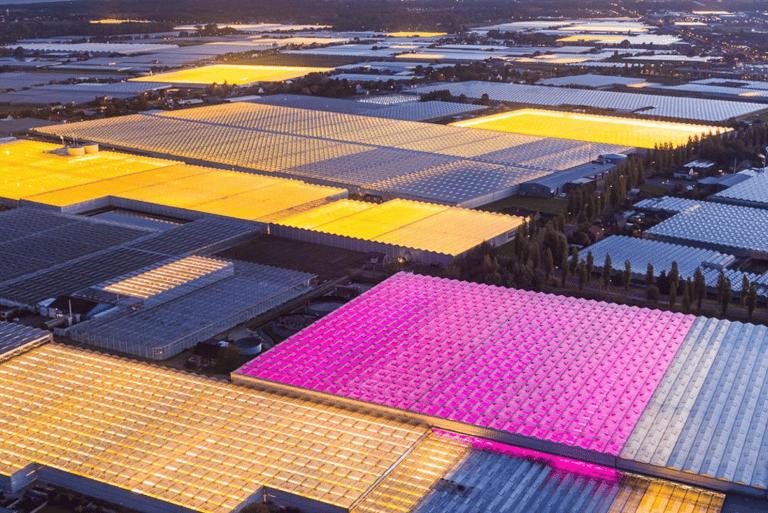
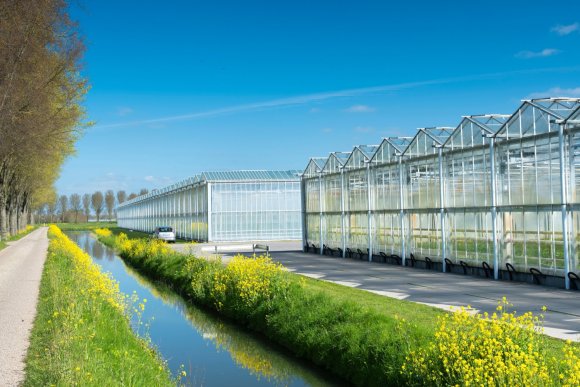
The second day of the meeting is dedicated to a full-day excursion to several leading greenhouse companies, offering participants the opportunity to explore innovative production systems, applied biological control strategies, and practical solutions used in commercial protected cropping.
Participants will be divided into three groups, with each group following a unique itinerary and visiting five different locations without overlap. This approach allows participants to experience a broad range of greenhouse operations, technologies, and management practices across the Dutch horticultural sector.
Throughout the day, the visits will highlight the diversity and technical advancement of Dutch greenhouse production. These company visits are designed to provide valuable insights, stimulate discussions, and strengthen the connection between scientific research and practical applications in commercial horticulture.
A packed lunch will be provided, allowing the groups to travel efficiently between locations while continuing the programme throughout the day.
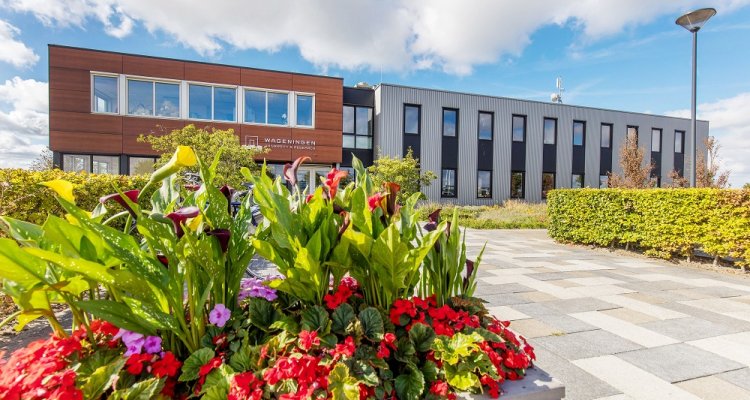
At the end of the excursion, all three groups will come together at the Greenhouse Horticulture Research Facility of Wageningen University & Research in Bleiswijk. Here, participants will receive a guided tour of the facility and learn more about ongoing research programmes, innovative technologies, and future developments in greenhouse horticulture.
The day will conclude at the facility with drinks and hot (Dutch) snacks, creating an informal setting for further networking and discussion. The growers, advisors, and other industry professionals who joined the company visits during the day will also be invited to this closing gathering. This provides an excellent opportunity to continue conversations, ask follow-up questions, and further exchange practical experiences.
This excursion provides a unique opportunity to experience the Dutch greenhouse industry first-hand, exchange knowledge with researchers and practitioners, and build new connections within the international greenhouse horticulture community.


Day 3: 2 September 2026 (Wednesday)
9:00 to 10:50 - Session 5 - Abiotic Factors and Technological Innovations for Greenhouse Crop Protection
Chair: Samantha Willden
9:00 to 9:05 - Opening remarks by the Chair
9:05 to 9:35 - Keynote 3 - Latest technological developments in greenhouse horticulture - Leo Marcelis
Wageningen University & Research, Wageningen, The Netherlands
9:35 to 10:05 - Keynote 4 - Microclimates in greenhouse IPM: linking abiotic variation to biocontrol efficacy - Samantha Willden
Cornell University, New York, USA
10:05 to 10:20 - FUTURLIGHTS: An integrated push and pull strategy for optimised plant protection against flying insects in energy-optimised
greenhouses - Jan-Uwe Niemann
Julius Kühn Institute, Braunschweig, Germany
10:20 to 10:35 - Influence of LED lighting regimes and low nighttime temperatures on aphid predators in controlled-environment strawberry - Karli
Barton
University of Guelph, Guelph, Canada
10:35 to 10:50 - Identification and evaluation of effective biological control agents in deep winter greenhouse crops in Eastern Canada - François
Dumont
Centre de recherche agroalimentaire de Mirabel, Québec, Canada
10:50 to 11:15 - Coffee Break
A short break to enjoy coffee, tea, and light refreshments.
11:15 to 12:35 - Session 6 - Conservation Biological Control: Harnessing Functional Plants and Generalist Predators
Chair: Francisco Gonzalez
11:15 to 11:20 - Opening remarks by the Chair
11:20 to 11:50 - Keynote 5 - Biological control in open-field crops: Inspired by and inspiration for greenhouse biological control - Erik Poelman
Wageningen University & Research, Wageningen, The Netherlands
11:50 to 12:05 - Companion plants as rearing and release platforms for predatory bugs in soilless tomato systems - Benjamin Gard
CTIFL, Bellegarde, France
12:05 to 12:20 - Generalist predators - role on conservation biological control in the Oeste region, Portugal - Elisabete Figueiredo
Universidade de Lisboa, Lisboa, Portugal
12:20 to 12:35 - Can functional plants support the green lacewing and the 14-spotted ladybird beetle to enhance the biological control of Myzus
persicae in protected sweet pepper crops? - Florence Estublier
Wageningen University & Research, Bleiswijk, The Netherlands
12:35 to 13:30 - Lunch Break
A break to enjoy lunch with colleagues in a relaxed setting.
13:30 to 14:30 - Session 7 - Poster Pitches
Chair: Raghavendra Reddy Manda
13:30 to 13:35 - Opening remarks by the Chair
13:35 to 13:38 - Towards efficient biocontrol of bacterioses of tomato: novel bacteriophages and their action in controlled conditions and production
greenhouses - Václav Psota
Farma Bezdínek, Dolní Lutyně, Czech Republic
13:38 to 13:41 - Long-term persistence of ToBRFV in commercial greenhouse irrigation systems and challenges in virus elimination - Lise Soetemans
Horticultural Applied Research Centre for Vegetables and Strawberries, Innovation and Science, Antwerp, Belgium
13:41 to 13:44 - LichtFalle:Praxis - Exploring the potential of technology‑based disturb, attract and kill approaches for insect mass trapping - Elisa
Wendisch
Leibniz Universität Hannover, Hannover, Germany
13:44 to 13:47 - Chemical ecology of an emerging thrips pest: evaluating semiochemical-based push–pull strategies for Thrips parvispinus - Avery
Johnson
University of Guelph, Guelph, Canada
13:47 to 13:50 - Practice-based optimization of biological control against a new aphid genotype in bell pepper - Lise Soetemans
Horticultural Applied Research Centre for Vegetables and Strawberries, Innovation and Science, Antwerp, Belgium
13:50 to 13:53 - Evaluation of toxicity effect of essential oils on Tuta absoluta Meyrick (Lepidoptera: Gelechiidae), Tetranychus urticae Koch (Acari:
Tetranychidae) and Aculops lycopersici Tryon (Acari: Eriophyidae) - Evangelos Fytas
Agricultural University of Athens, Athens, Greece
13:53 to 13:56 - Control potential of Trialeurodes vaporariorum by the autoparasitoid Encarsia gennaroi, a newly recorded wasp in Canadian
greenhouses - Catalina Fernancez
Agriculture and Agri-Food Canada, Harrow, Canada
13:56 to 13:59 - Carnivorous plants as a potential monitoring tool for Bradysia difformis in greenhouse systems - Madlene Mazurek
Leibniz Universität Hannover, Hannover, Germany
13:59 to 14:02 - Macrolophus pygmaeus (Rambur) and Nesidiocoris tenuis (Reuter) (Hemiptera: Miridae) predation activity on Tuta absoluta (Meyrick)
(Lepidoptera: Gelechiidae) eggs on tomato fruits of different ripening stages - Sofia Dervisoglou
Agricultural University of Athens, Athens, Greece
14:02 to 14:05 - Not just a citrus problem: The expanding threat of Scirtothrips aurantii and the importance of alternative host plants - Angelos
Mouratidis
IVIA, Spain
14:05 to 14:08 - Biodiversity strips around greenhouses to support natural enemies of greenhouse pests - Kyra Vervoorn
Wageningen Plant Research, Bleiswijk, The Netherlands
14:08 to 14:11 - Performance of selected Orius laevigatus (Fieber) strains fed with mixtures of astigmatid mites species - Amador Rodríguez Gómez
Universidad Politécnica de Cartagena, Cartagena, Spain
14:11 to 14:14 - Comparative efficacy of Macrolophus melanotoma (Costa) (Hemiptera: Miridae) and M. pygmaeus (Rambur) (Hemiptera: Miridae)
against Tuta absoluta (Meyrick) (Lepidoptera: Gelechiidae) eggs on tomato and Dittrichia viscosa L. (Greuter) - Dionysios Perdikis
Agricultural University of Athens, Athens, Greece
14:14 to 14:17 - Risk-based surveillance design for early detection of Thrips palmi in orchid greenhouses - Laura Carotti
Independent Scientific Advisor, Bologna, Italy
14:17 to 14:20 - Habitat provision for natural pest management in small-scale protected cropping and the potential for scalability - Judith Conroy
Coventry University, Coventry, United Kingdom
14:20 to 14:23 - Regional Patterns of Insecticide Resistance in Bemisia tabaci in Türkiye - Gül Satar
Çukurova University, Adana, Türkiye
14:23 to 14:26 - An integrated hoverfly system for pest management and pollination in protected soft-fruit - Sarah E. J. Arnold
NIAB, Kent, United Kingdom
14:26 to 14:30 - Concluding remarks by the Chair and invitation to the poster session
14:30 to 15:30 - Session 8 - Poster Session
Following the completion of the poster pitch presentations, participants are invited to attend the dedicated poster session, where they can explore the full range of research presented and engage directly with the authors. This interactive session provides an excellent opportunity to discuss emerging findings, exchange ideas, ask questions, and establish new scientific connections.
The poster presentations cover a broad spectrum of topics within greenhouse horticulture and biological control, including innovative solutions for plant disease management, virus detection and elimination strategies, and the development of new biological control approaches against emerging pests. Several contributions explore advances in predator and parasitoid-based control, including the optimization of natural enemy performance, novel applications of habitat management, and the use of functional biodiversity to support sustainable pest suppression.
The session will also highlight new technologies and ecological approaches, such as semiochemical-based pest management, automated trapping systems, monitoring tools, and risk-based surveillance strategies for invasive pests. Additional posters address challenges related to insecticide resistance, alternative pest control products, and integrated systems that combine pest management with pollination services.
15:30 to 16:00 - Coffee and Snacks
A short break with coffee, tea, and a selection of snacks, offering time to relax.
16:00 to 17:05 - Session 9 - Hidden Interactions Shaping Biological Control: From Plant Responses to Parasitoid Biology
Chair: Irene Vänninen
16:00 to 16:05 - Opening remarks by the Chair
16:05 to 16:20 - Parasitoids and their injection components indirectly alter plant responses via their caterpillar host, affecting later-arriving
parasitoids - Sarah Naomi Kalisvaart
Wageningen University & Research, Wageningen, The Netherlands
16:20 to 16:35 - Reductive Catalytic Fractionation-derived lignin as a novel elicitor of induced resistance in tomato for biological control of plant
pathogens and pests - Ludo Cialdella
KU Leuven, Heverlee, Belgium
16:35 to 16:50 - Effects of induced plant growth on the attraction of the parasitoid Cotesia glomerata - Laura A. Zuidema
Wageningen University & Research, Wageningen, The Netherlands
16:50 to 17:05 - RNA viruses in parasitoids: Do they shape biological control outcomes? - Jesica Pérez-Rodríguez
University of Valencia, Valencia, Spain
17:05 to 18:00 - Preparing for the Gala Dinner
The scientific programme will conclude at 17:05, providing participants with a one-hour break before the conference gala dinner begins at 18:00. This time can be used to return to your hotel, freshen up, and prepare your outfit for the evening’s special theme: the Roaring Twenties.
Participants who prefer to stay at the conference venue are welcome to use the changing rooms located behind the main stage to change and dress up for the gala dinner.
For further details about the gala dinner, including the venue, theme, entertainment, and programme, please see the section below.
18:00 Onwards - Conference Gala Dinner
Gala Dinner
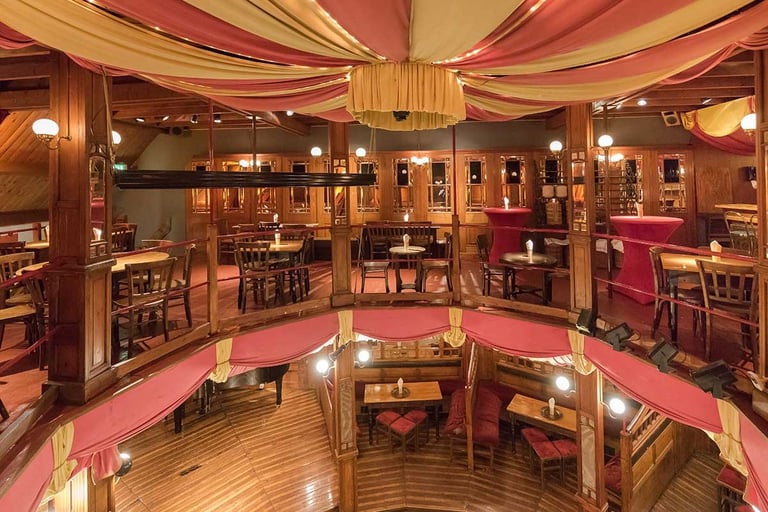
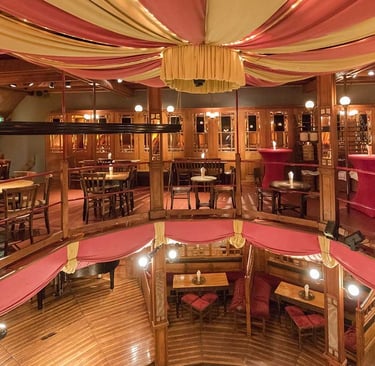
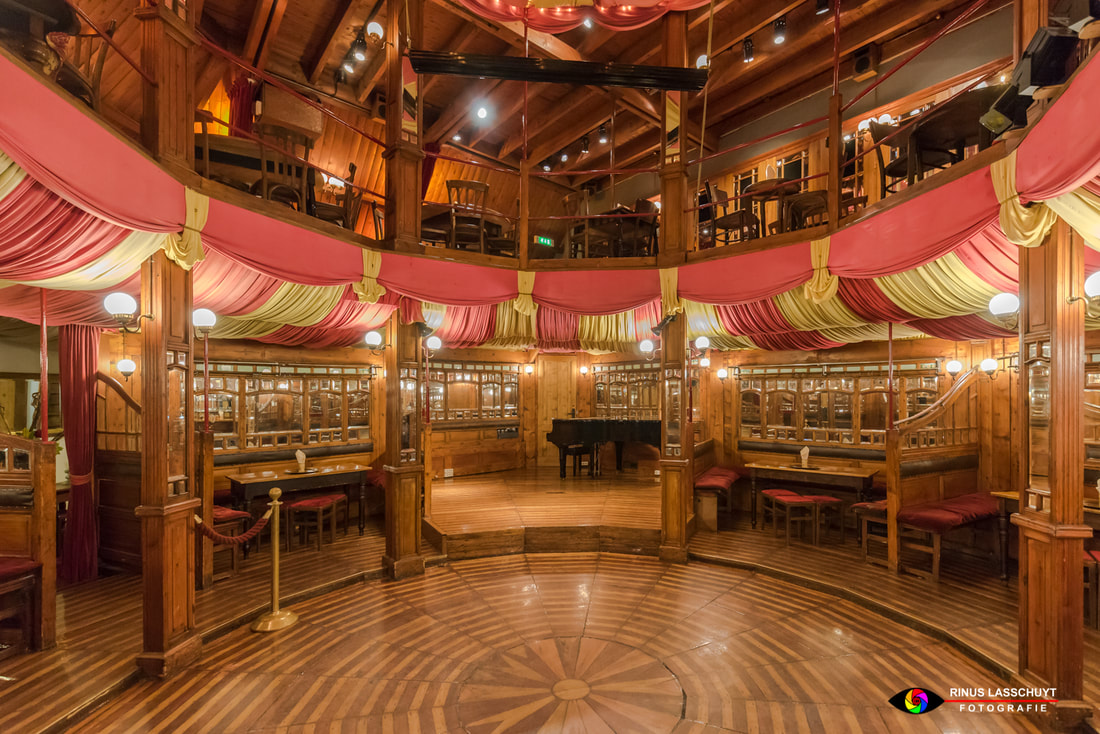
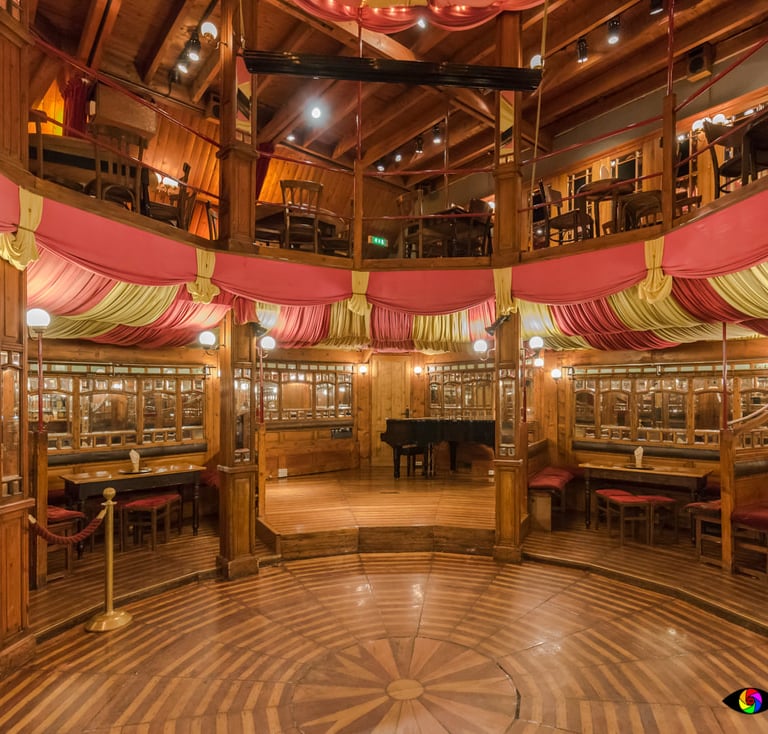
The conference gala dinner will take place in the beautifully decorated Spiegeltent in Gouda, a unique and atmospheric venue known for its warm lighting, classic wooden interiors, and festive ambiance. This special evening will provide an excellent opportunity to relax, enjoy a memorable dinner, and connect with colleagues in a welcoming and informal setting.
Guests will be welcomed with drinks, followed by a carefully prepared dinner served in the elegant surroundings of the Spiegeltent. Adding to the festive atmosphere, a professional musician and singer will provide live entertainment throughout the evening, creating a lively and enjoyable experience for all participants.
The gala dinner will embrace a Roaring Twenties theme, inviting guests to step back in time and enjoy an evening inspired by the elegance, glamour, and style of the 1920s. Participants are encouraged to dress accordingly and join in the spirit of this special celebration.
To capture the memories of the evening, a photo booth will be available, allowing participants to take fun and memorable photographs with colleagues and friends.
The combination of the historic charm of the Spiegeltent, live music, themed decoration, and shared celebration will make the gala dinner one of the highlights of the conference programme.
The gala dinner is included in the registration fee, and all participants are warmly invited to join this special evening.
Address: De Spiegeltent, Turfmarkt 51, 2801 GW Gouda, The Netherlands
Day 4: 3 September 2026 (Thursday)
16:00 to 17:00 - Awards and Closing Ceremony
Chairs: Gerben Messelink and Bruno Gobin
16:00 to 16:30 - Best Oral and Poster Presentation Awards (Students).
16:30 to 17:00 - Vote of Thanks by the Convenor, Liaison Officer, and Local Organizers.
Do not forget to explore the Netherlands — check our suggestions by clicking the button below.
9:00 to 10:35 - Session 10 - Beyond Conventional Control: New Approaches for Integrated Aphid Management
Chair: Juliette Pijnakker
9:00 to 9:05 - Opening remarks by the Chair
9:05 to 9:20 - The effect of compost on aphid control and the search for key resilience indicators - Esmée de Graaf
Wageningen Plant Research, Bleiswijk, The Netherlands
9:20 to 9:35 - Predictive modeling of combined release strategies for Myzus persicae management: preventive Macrolophus pygmaeus reduces aphid
pressure with minimal cost increase - Kin Ho Chan
University of Antwerp, Antwerp, Belgium
9:35 to 9:50 - IPM of aphids in vegetable seed production: main challenges and possible approaches - Antonio Miceli
Bejo Benelux B. V., Warmenhuizen, The Netherlands
9:50 to 10:05 - Potential of aphid-killing bacteria to manage aphid populations in greenhouse crops - Sara Van Hee
KU Leuven, Leuven, Belgium
10:05 to 10:20- Integrated control of aphids on organic celery – from the glasshouse to the field - Rory Jones
Adas Boxworth, Boxworth, United Kingdom
10:20 to 10:35 - Native entomopathogenic fungi from Dutch sweet pepper greenhouses: isolation, identification and biocontrol potential - Zilal
Suleiman Alkadour
Wageningen University & Research, Wageningen, The Netherlands
10:35 to 11:00 - Coffee Break
A short break to enjoy coffee, tea, and light refreshments.
11:00 to 12:20 - Session 11 - New Horizons in Biological Crop Protection
Chair: Norihide Hinomoto
11:00 to 11:05 - Opening remarks by the Chair
11:05 to 11:35 - Keynote 6 - Biological pest control inside-out (& outside-in) - Felix Wäckers
Biobest Group, Westerlo, Belgium
11:35 to11:50 - Amblydromalus limonicus: a gamechanger in biological control - Anton Bekendam
Koppert B. V., Berkel en Rodenrijs, The Netherlands
11:50 to 12:05 - Sky is not the limit: successful foliar application of soil-borne entomopathogenic nematodes to control foliar caterpillars - Kalliopi
Arkoumanea
Koppert B. V., Berkel en Rodenrijs, The Netherlands
12:05 to 12:20 - Shaping the future of crop protection: antibody-inspired proteins as the next generation of biofungicides - Nico Vergote
Biotalys, Gent, Belgium
12:20 to 13:15 - Lunch Break
A break to enjoy lunch with colleagues in a relaxed setting.
14:00 to 15:35 - Session 12 - Rethinking Greenhouse Pest Control: New Concepts for Sustainable Crop Protection
Chair: Elisabete Figueiredo
14:00 to 14:05 - Opening remarks by the Chair
14:05 to 14:35 - Keynote 7 - Rethinking biological pest control in greenhouses without pesticides - Gerben Messelink
Wageningen University & Research, The Netherlands
14:35 to14:50 - Zero Pest Damage Project: Innovative technologies for advancing non-chemical control in greenhouses - Norihide Hinomoto
Kyoto University, Kyoto, Japan
14:50 to 15:05 - Are aphids an impossible problem? - Francisco Gonzalez
Koppert B. V., Berkel en Rodenrijs, The Netherlands
15:05 to 15:20 - Use of 3MP theoretical framework to achieve holistic control of multiple insect pests in tomato: progress in Asia and Europe - Peng
Han
Yunnan University, Kunming, China
15:20 to 15:35 - A repellent plant to regulate aerial pests: Testing the continuum trait-function-service from the lab to polytunnels - Anne-Violette
Lavoir
INRAE, Nice, France
13:15 to 14:00 - Special Session - Development of IOBC Integrated Production Guidelines for Protected Crops
Chairs: Carlo Malavolta and Hilfred Huiting
The IOBC is not only a platform for scientific exchange through conferences and working groups, but also a recognised scientific community that promotes the development and implementation of biological control and integrated production practices.
As part of this mission, the IOBC develops Integrated Production (IP) Guidelines, which provide valuable scientific guidance and support for policymakers, including those involved in the development and implementation of sustainable crop protection strategies. While several IP guidelines are already available for different cropping systems, comprehensive guidelines for protected crops have not yet been established.
A first draft of the IOBC Integrated Production Guidelines for Protected Crops has recently been developed and will be presented during this special session. The draft provides a general framework and outlines potential crop-specific guidelines that can be further developed and refined in the future.
This optional session will provide an opportunity for participants to review the draft, share their expertise, and contribute suggestions, additions, and modifications. Feedback from researchers, advisors, and practitioners involved in protected crop production will be highly valuable in improving and finalising the guidelines.
Participant Guidelines
Participants interested in contributing to the development of the guidelines are encouraged to review the draft document in advance. The draft was sent by email on 21 July 2026 by Gerben Messelink. If you have not received the document, please contact iobc-greenhouse-wgm2026@wur.nl.
Please send your feedback to the organisers before 21 August to allow sufficient time for preparation of the discussion.
During the session, participants will have the opportunity to discuss key topics, provide practical input, and help shape future IOBC recommendations for sustainable integrated production in protected cropping systems.
15:35 to 16:00 - Coffee and Snacks
A short break with coffee, tea, and a selection of snacks, offering time to relax.
17:00 Onwards - Closing Reception
Following the official closing ceremony, participants are invited to join the closing reception with drinks and hot snacks.










Event Location
Join us at Flora Boskoop, The Netherlands for the IOBC-WPRS Working Group Meeting on Integrated Control in Protected Crops, Temperate Climate
Venue
Hours
9:00 to 18:00
Flora Boskoop, Parklaan 4, 2771 GB, Boskoop, The Netherlands
Free parking spaces are available at the venue.
Event
Join us for Biological Control Innovations and Networking, a gathering of ideas, research, and collaboration.
Secretariat
Email: iobc-greenhouse-wgm2026@wur.nl
Phone: +31 317 488 169
© ICPC2026. All rights reserved.
Greenhouse Horticulture, Wageningen Plant Research, Wageningen University & Research
Venue
Flora Boskoop
Parklaan 4, 2771 GB Boskoop, The Netherlands
31 August - 3 September 2026
Timings: 9:00 to 18:00
© Raghavendra Reddy Manda
Raghavendra Reddy Manda